
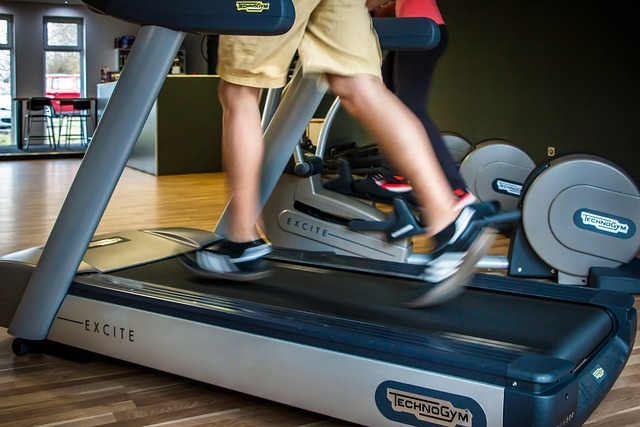
During the winter months, when colder temperatures and shorter days tend to sap motivation, many attorneys find themselves tempted to forgo regular exercise. The demands of client work, court appearances and personal responsibilities make skipping a workout seem justified. However, avoiding physical activity during this season can negatively affect both overall health and mental well-being. That is why incorporating simple indoor fitness habits becomes especially important. Regular movement supports physical strength, mental clarity and stress relief — all essential for professionals who spend long hours seated at desks, meeting with clients or preparing cases.
Even though winter weather may offer easy excuses — limited daylight, chilly mornings and dark evenings — staying active indoors is entirely achievable. A variety of practical strategies make it possible to maintain momentum despite a packed schedule.
One effective approach involves desk-friendly exercises. Attorneys often sit for extended periods, which can cause stiffness, poor posture and reduced circulation. Small movements such as neck rolls, shoulder shrugs, seated spinal twists, leg extensions and ankle rotations can counter these effects. Incorporating these brief stretches throughout the day helps relieve tension, support better alignment and restore energy.
High-intensity interval training, or HIIT, offers another efficient option for busy professionals. Short bursts of challenging bodyweight exercises — such as squats, push-ups and lunges — paired with minimal rest can deliver cardiovascular benefits, build strength and burn calories in just a few minutes. Using a simple timer or fitness app can make these sessions easy to follow.
Virtual fitness classes also provide structure for those who prefer guided workouts but lack time to visit a gym. Online platforms offer yoga, strength training, meditation and more, giving attorneys the flexibility to choose sessions that fit their schedules and personal preferences.
Movement can even be incorporated into the workday itself. Walking during phone calls, pacing around the office or using a treadmill at a slow pace allows professionals to stay active without sacrificing productivity. Many people experience improved concentration and creativity when they move while thinking or speaking.
To finish the day, gentle stretching routines can help the body unwind. Targeting the shoulders, back, legs and neck — common areas of tension — promotes relaxation and prepares the body for quality sleep. Adding breathing exercises or meditation enhances the calming effect.
Overall, staying active in winter does not require dramatic changes or outdoor workouts. Small, intentional choices — stretching at a desk, completing a brief HIIT session, taking walking calls or dedicating a few minutes to nightly stretching — all contribute to better health and improved well-being, even when done entirely indoors.